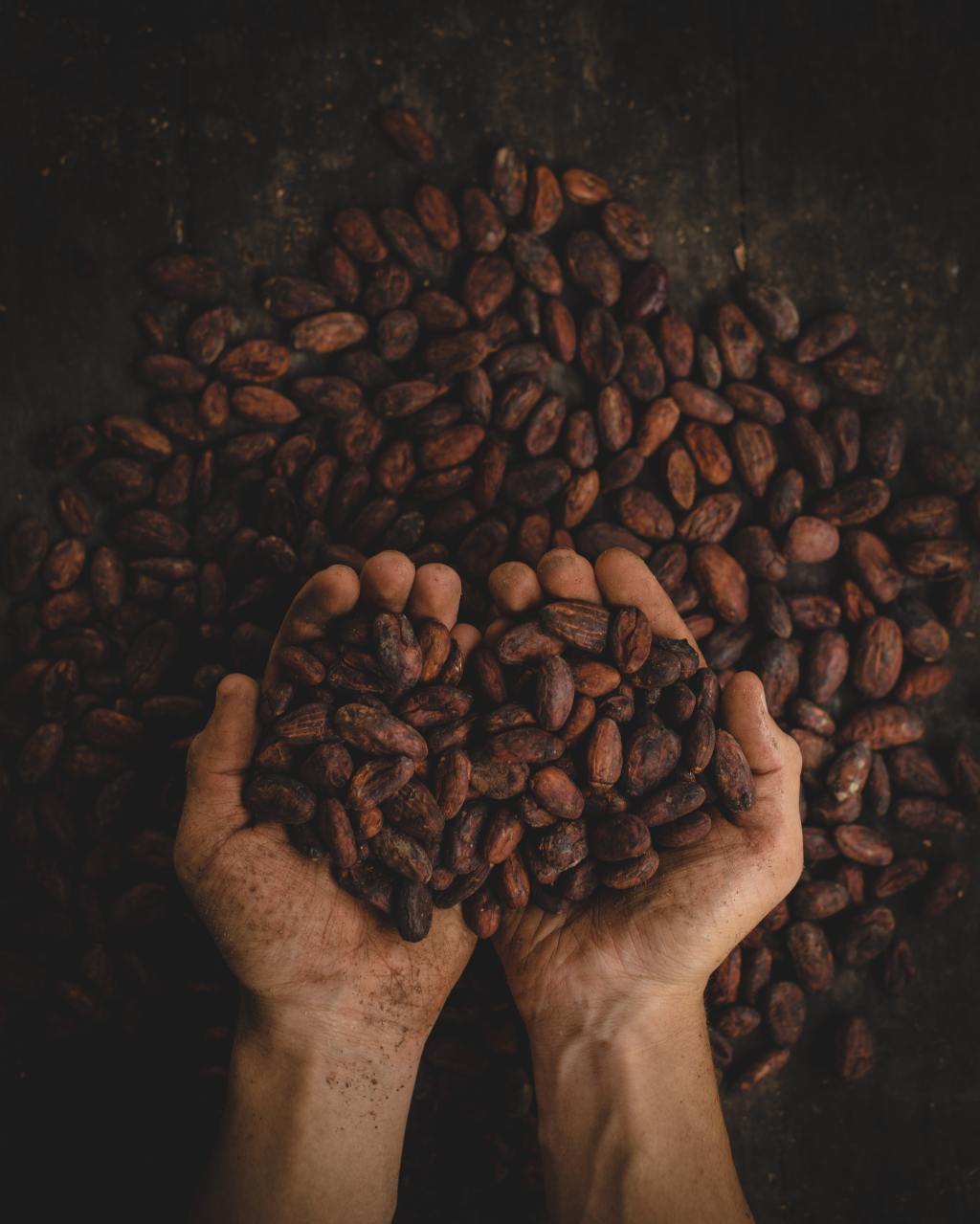
How many cups of coffee do you drink in a day? In a week? In a month? How about a year?
The dollars we spend every week eventually accumulates into thousands, financially supporting multinational corporations, allowing them to grow and expand their production. Coffee production is one of the world’s most exploitative industries that continues to exist in abundance and threatens the food security of thousands of families with every cup. When Africa’s international prices for coffee exports fell between the 80s and 90s, the Kenyan farmers experienced a drop in their incomes from the Coffee Industry. The income that was earned was remitted by the government to male landowners, leaving the women coffee cultivators with nothing. The International Monetary Fund (IMF) stepped in and introduced incentives in the form of conditional loans, causing tension between female farmers in Maragua and their husbands and the state. This tension influenced the women to take drastic action throughout Kenya- many of them creating a new industry planting bananas and vegetables for local consumption and trade, rather than continuing to plant coffee beans exclusively for export.
But what do bananas and coffee have to do with women’s empowerment?
To put it simply, technically and legally, women were considered landless in many societies. In kenya in particular, these women harvested coffee beans in order for their husband and their state to earn income, but they remained unwaged. To protest the coffee export industry, the women uprooted coffee trees and used them for firewood, risking a jail-time of 7 years. They planted beans between the coffee trees in order to provide food for their families, which had a doubling effect of renourishing the chemically damaged soil. To escape the exploitation of the coffee market, some established themselves in their own banana trading industry – mostly a collection of divorced and widowed women, but earning more than those in the coffee industry. The women’s power was in their numbers. The working women established a collective women’s groups in support of each other – a savings system in which the members in the group contribute a small sum of money into a “pot” every week, and each week a different woman received the pot, in order to help pay for school fees, buy household goods, or resources.
The myth of the male breadwinner is therefore refuted here, as the Maragua women farmers’ culture shows that the women not only provided for their children’s emotional and caregiving needs, but also provided for them economically – a SuperMom.
Though the women farmers seem to have escaped the coffee export industry’s exploitative nature, they are still existing in a system that continually pressures them into becoming a privatized and commodified society. This creates an opportunity in which command over women’s labor can reassert itself in a society where the state still upholds laws that favor men. The introduction and emphasis in structural adjustment policies in combination with corrupt government officials and husbands that appropriate most of the coffee money, has increased this pressure on women to move away from labor and land for food production – thus giving women little opportunity to feed and educate their children – and instead keeping women enslaved to capital and repressed by dictatorship.
Ten years later, the banana trading industry has somewhat changed, allowing women the opportunity to be producers, and managers of resources, outputs and incomes. However, in order to join these women in their struggle for sustainable agriculture and fair land ownership and wage, there needs to be solidarity amongst us in the developed nations to stand with these women farmers as they fight to replace export crops with sustainable food production. International solidarity is key to strengthening local networks for self-sufficiency in food and social services. Consumers need to realize that boycotting export commodities such as coffee, beef and sugar, can put a lot of pressure on corporations. It is important for taxpayers globally to demand money in supporting sustainable food production and local trade, rather than militarization, export agriculture, and the corporate food monopoly. The initiative that these Maragua women farmers took in defiance to the system in order to support their families, should inspire us to think about how our cheap food and goods are affecting lives elsewhere. When we see a drop in food prices, or a flux of sales, it is important to take a step back and think about how these prices are affecting the wage and lives of the women and families producing these goods.
Who are you supporting? Where did your coffee come from?
REFERENCE
Brownhill, L.S., Kaara, W.M., and Turner, T.E. (1997). Gender relations and sustainable agriculture: rural women’s resistance to structural adjustment in Kenya. Canadian Woman Studies. 17(2): 40-4.
 April Marie Canillo